
Lessons Learned from Working with Media at Trade Shows and Live Events

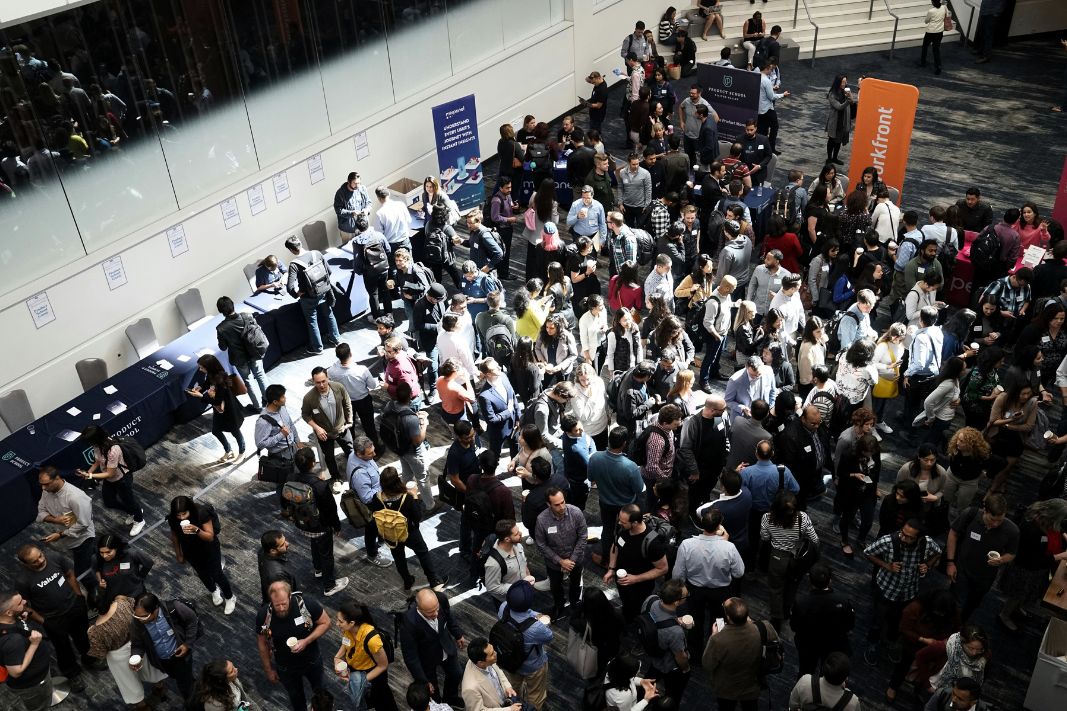
Today, when we think about trade shows, we usually picture the booth, the keynote and the big product launch. But for communications teams, some of the most valuable moments at an event happen off the main stage, in a quick conversation between a client and a reporter.
Every industry has its marquee events, and the media follows. In healthcare and life sciences, for example, shows like CPHI, HIMSS, HLTH, DCAT and ASCO bring together the people shaping the industry and the reporters who cover it. Events like these are a great place to share news. They are also some of the most crowded. Reporters arrive with packed schedules, companies save their biggest announcements for show week and every booth is competing for the same handful of meetings with potential customers and partners.
In recent years, how reporters cover events has changed. The benefits of technology allow many to follow along virtually, which means the people writing about a show aren't always the ones walking the floor.
Our team has spent time navigating this evolving media landscape at events like these and have definitely learned a few things along the way. Whether it’s an event specializing in healthcare, marketing technology or consumer goods, there are several underlying themes that apply across industries when it comes to interacting with media at live trade shows and other events.
Start early, even if the news isn't final
It's tempting to wait until your client's announcement is locked in before reaching out. But by then, reporters' calendars are often already full.
You don't need every detail to start the conversation. An early touch point letting a reporter know your client will be at the show and is interested in setting up a briefing is a good place to start. When the news comes together, your follow-up lands with someone who already has you on their radar.
Know what makes your client newsworthy
Reporters at a major show are sorting through dozens of requests. So, before pitching, take a step back and ask what your client actually brings to the table.
• Do you have an exclusive to offer?
• Is there new data to share?
• Is there a customer who can speak to their experience?
Being at the show is a starting point. Having a clear reason for a reporter to sit down with you is what earns the meeting and eventually the coverage.
Look beyond who's attending
It's easy to build a media list around the registered press list. But many reporters now cover events virtually and limiting outreach to who's on site means missing some of the people writing about the show.
That's why it's always worth offering a virtual briefing before or after the event. A pre-show call can set up coverage that runs during the show and a post-show conversation gives reporters a fresh angle once the initial wave of news has passed. Either way, your client is part of the coverage even if the reporter never sets foot on the floor.
Prepare your client for who they're meeting
Message prep usually gets most of the attention before a show. But knowing who's sitting across the table matters just as much.
If your client has worked with a reporter before, remind them. What did they talk about? What were the takeaways from that discussion? Can you build on that previous conversation?
When a client knows who they're talking to, the conversation picks up where it left off. And that's what turns a single briefing into a lasting relationship.
Be flexible
No matter how well you plan, show schedules change. Sessions run long, reporters get pulled onto breaking stories and interruptions come up on the floor.
Build in some cushion, keep backup options ready and stay in close contact with reporters throughout the day. A briefing that moves from the booth to a phone call the following week should still be considered a relationship building win.
Bringing It All Together
Trade shows move fast, and the media relationships built there take work well before the doors open. Starting early, knowing your news hook, thinking beyond the attendee list, preparing your client and staying flexible all give each briefing a better shot at turning into coverage.
The events will keep coming. Teams that treat every show as one step in a longer relationship with the media will get far more out of them.
What our clients say

Ameresco
Leila Dillon, SVP, Corporate Marketing and Communications
It's clear that the Greenough Communications team has a deep understanding of the clean tech and climate transition spaces. Within the first month of working together, they were able to land interviews with The Washington Post, The New York Times and Canary Media, just to name a few! Since working together, we've seen our media coverage and quality increase significantly across the board. We value Greenough's partnership are looking forward to our continued work together.

Boston Micro Fabrication
Laura Galloway, Marketing Director
As a small marketing team, having an agency partner that feels like a true extension of my team is invaluable. The Greenough Communications team is professional, responsive and has taken the time to understand our business, putting our brand in front of the customers who matter for our growth. I’ve been very happy with our first year of partnership and look forward to future success.

Acrolinx
Mariana Just, Vice President, Marketing
We started working with Greenough Communications over a year ago, and it's been a fantastic journey. They really understand who we are at Acrolinx and what we want to say. Their ability to amplify our message in a crowded AI space has been impressive, delivering solid media results in the outlets that matter, securing the AI Breakthrough Award, and boosting our executive team's social media presence. As we continue our partnership, we're excited about expanding our reach and market presence, building upon our refreshed positioning and messaging with Greenough's expertise guiding us every step of the way.

IQE
Steven Curwood, Director of Corporate Marketing
At IQE, one of our goals is to demystify the vital role compound semiconductors play in the industry and the future of innovation. As we aim to broaden our brand's reach in the U.S. market, finding an agency that understands our technology and the intricacies of our work is crucial. Greenough Communications stood out as that agency from the start. In the short time we've worked together, they've already validated our choice with opportunities in key media, including CNBC, NPR, and the U.S. trade media that will move the needle for our brand and message. There's much ahead for us, and we're excited to have the Greenough team by our side.

Arbella Insurance
John Donohue, CEO
Our Greenough team has excelled in learning our business and our challenges and has been extremely effective in developing and executing a PR strategy that helps drive our success.

Wolters Kluwer Health
André Rebelo, Global Marketing Communications & Public Relations
Our Greenough team has been a strategic asset in sustaining targeted growth in our PR and external communications. The team really operates like an extension of our internal team, aligned and effective. They've deftly balanced the needs of multiple sub-groups' objectives and needs, getting great results in the publications our customers read.

GlobalFoundries
Laurie Kelly, Chief Communications Officer
Greenough Communications has been more than just a PR agency for us at GlobalFoundries; they've been true partners. From navigating our IPO to driving impactful education campaigns like the one leading up to the passage of the CHIPS Act, they've been instrumental in showing the world our leadership role in this new technology era. Their knack for building connections with the industry and our team, including our executives, has been impressive. Every year, we throw new challenges their way, and they keep delivering. As we move ahead together, we're excited to keep pushing the boundaries, sharpening our brand narrative, and taking our brand awareness to the next level.

Integrated Marketing
Content Development
Public Relations
Brand Strategy
Integrated Marketing
Content Development
Public Relations
Brand Strategy
Public Relations
Brand Strategy
Integrated Marketing
Content Development
Public Relations
Brand Strategy
Integrated Marketing
Content Development
Let's start a project together.

